
Here are my all-time favorite salad recipes, from crisp green salads and hearty grain and bean salads to pasta salads: each one a proven crowd-pleaser worth making on repeat!
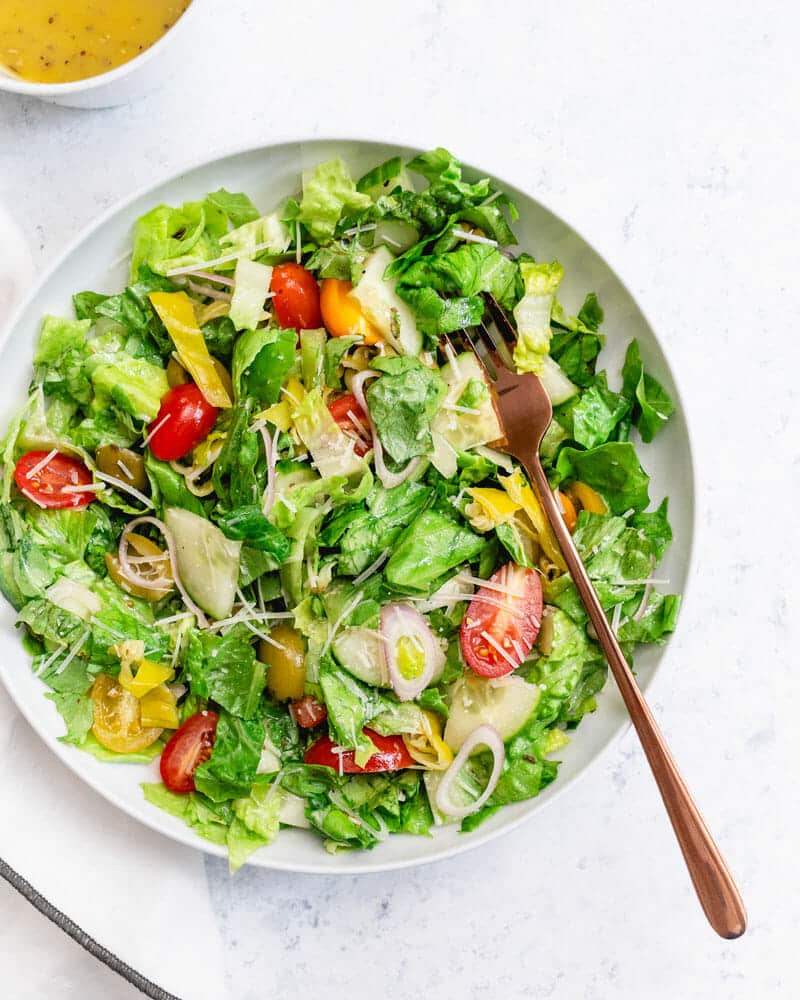
Over the 15 years I’ve spent developing recipes, I’ve learned that a good salad isn’t just about the ingredients: it’s also about contrasts. You need something crunchy against something creamy, something sharp against something sweet, and lots of bright bursts of colors.
When someone asks me what foods I eat the most, I always reply “a good salad!” Here’s a collection of my favorite salad recipes I actually love eating. Each and every one of them was made by me and tested on my real-life family. I’ve organized them by type so you can find what you’re looking for. Let’s salad!
Table of Contents
Green Salad Recipes
Green salads are the foundation of my salad repertoire. These recipes star with fresh lettuces, kale, or mixed greens.

Best Chopped Salad
This chopped salad has become legendary in my house. The magic happens with tangy pepperoncini and my homemade Italian dressing that's bright and perfectly balanced, along with crisp romaine and crunchy vegetables.

Kale Salad
I've served this massaged kale salad to countless people who claimed they "didn't like kale" and converted every single one. The secret is in the preparation: I massage the kale leaves with lemon juice and olive oil until they're tender, then add freshly grated Parmesan and a pinch of red pepper flakes.

Caesar Salad
My Caesar salad uses a homemade Caesar dressing that's creamy and garlicky without being overpowering. The combination of crisp romaine, creamy dressing, crunchy croutons, and sharp Parmesan creates the perfect bite every time.

Easy Arugula Salad
My arugula salad might the easiest salad recipe you’ll make! You don’t even have to make a salad dressing. Dress baby arugula simply with olive oil and lemon juice, then add Parmesan shavings and thinly sliced shallots. Try it with roasted beets for Arugula Beet Salad.

Apple Salad
In my family's favorite apple salad, crisp tart apple slices pair with pomegranate seeds, creamy goat cheese, and crunchy, and cinnamon-spiced pecans. Toss them all over fresh greens with a zingy maple and apple cider vinegar dressing. Another option is Apple Walnut Salad.

Mediterranean Salad
This salad stars crunchy veggies like cucumber and onion, salty pops of feta cheese and Kalamata olives, and handfuls of fresh herbs. Top it off with our Greek Salad Dressing. You can also add chicken, salmon, shrimp, or tofu to make it dinner.

Wedge Salad
Classic is classic for a reason, and my favorite classic wedge salad does not disappoint! The crunch of iceberg lettuce against the creamy, savory blue cheese dressing just makes sense.

Romaine Salad with Green Goddess
This romaine salad with pale green dressing and delicate pink radishes tastes as good as it looks. The Green Goddess dressing takes it over the top, slathering it all in herby, savory creaminess. Sprinkle with crunchy breadcrumbs, a fun alternative to croutons.

Butter Lettuce Salad
I love a good butter lettuce salad, and this one is a favorite. The delicate lettuce leaves are irresistible coated in creamy, savory Parmesan Peppercorn dressing and topped with a few simple veggies and Parmesan shavings.

Italian Salad
This Italian salad is full of all the right flavors and textures: crisp lettuce, crunchy garlic croutons, and zingy pepperoncini. It’s covered in punchy, herby Italian vinaigrette that makes the flavors sing! It can play sidekick to just about anything.

Mexican Chopped Salad
My Mexican salad is full of delicious Latin-style flavors: colorful veggies, cilantro lime salad dressing, and crispy tortilla strips. It all combines into a super-flavorful dish that's quick and easy to make.
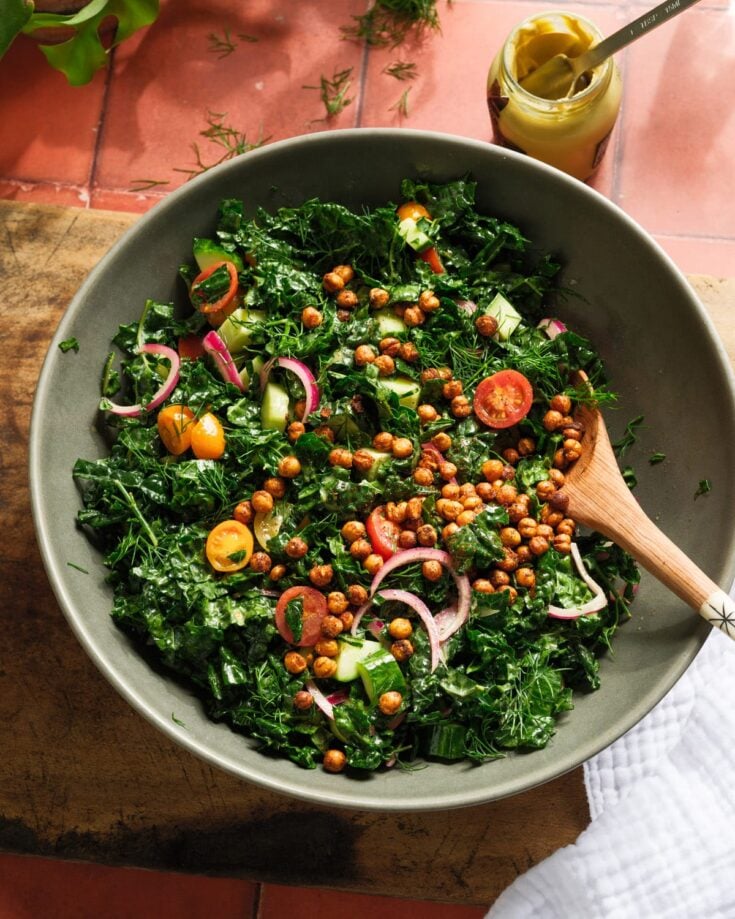
My Go-To Massaged Kale Salad
This massaged kale salad is truly ,y go-to salad recipe: lemony greens, crunchy veggies, and a zingy Dijon mustard dressing. It’s ready in 15 minutes and meal-prep friendly! I love topping it with crispy roasted chickpeas instead of croutons.

Endive Salad with Parmesan & Orange
Try this endive salad: equal parts refreshing, tangy, bitter, crunchy, and tangy! Bitter endive pairs perfectly with juicy orange and a sweet tart red wine vinaigrette. Top it off with savory Parmesan shavings and crunchy almonds, and the contrasts are divine. Each bite is crunchy, sweet, savory and citrusy.

Frisee Salad
Frisée is a leafy green with a frilly texture and subtly bitter flavor, ideal for adding flair and elegance to salads. This one pairs it with the burst of juicy orange, aged Manchego cheese, and crunchy almonds, covering it all in a zingy white wine vinaigrette.

Radicchio Salad
This radicchio salad is a vibrant explosion of flavors and textures! Bitter bright purple radicchio leaves are balanced by the sweetness of ripe pears, the satisfying crunch of toasted almonds, the creamy tang of goat cheese, and a zesty citrus vinaigrette that ties it all together.

Goat Cheese Salad with Arugula
Here’s a salad idea that's simple yet elegant: goat cheese salad with apples and arugula! It’s simple and comes together quickly, but my does it deliver on flavor! The crunch of the apples, creamy goat cheese, and fluffy arugula are the ideal pair for the tangy sweet balsamic dressing

Strawberry Salad
Strawberries are a natural flavor pairing with the acidity of balsamic vinegar. So in my favorite strawberry salad, I use a homemade balsamic vinaigrette dressing to accentuate the bright red sweet berries. Paired with red onions and toasted almonds, it’s a simple and delicious. Or try other berry-based salads like my Strawberry Summer Salad, Blueberry Salad, or Blackberry Salad.

Pear Salad with Pecans
This brilliant pear salad is a study in contrasts: fresh, juicy pear against funky gorgonzola cheese; bright pomegranate against savory shallot. Throw in some toasted pecans and cover it in tangy poppy seed dressing.

Pomegranate Salad
Crunchy pomegranate seeds make a beautiful confetti over the top of leafy greens. Add tart green apple slices, toasted pecans, and goat cheese or feta crumbles. For the dressing, try my homemade apple cider vinegar dressing or pomegranate vinaigrette.

Spinach Salad
This easy salad recipe is everything a classy spinach salad should be, full of texture and flavor contrasts. There’s crunchy smoky pecans, almost bacon-like glazed with maple syrup and soy sauce. Add hard boiled eggs or a crisp-tart apple for a stunning salad.

Spring Mix Salad
This spring mix salad is fast and easy: grab a box or bag of spring mix at the store and add a quick homemade salad dressing. I like a light and tangy vinaigrette, which compliments the delicate leaves perfectly.

Fennel Orange Salad
This fennel orange salad features vibrant juicy oranges and a famous pairing: sliced raw fennel, which adds a subtle licorice essence. Throw it over greens with pistachios and shallots, and top with a zingy homemade citrus vinaigrette.

Grapefruit Salad
Here’s a bright, beautiful easy salad recipe that works in almost any season! It pairs the juicy citrus fruit with nutty toasted almonds, salty feta cheese and a zingy poppy seed dressing. The delicate, zingy, nutty, and creamy textures and flavors complement each other perfectly.

Watercress Salad with Apple
Did you know watercress is one of the most nutrient-dense vegetables in the world? I love pairing this bitter leafy green with lemon, apple and savory Parmesan shavings for a satisfying salad.

Tossed Salad
A good salad has got to have contrasts in texture, flavor, and colors, and one great salad dressing to top it off. In my favorite tossed salad recipe, I like to use crunchy vegetables with homemade croutons and creamy avocado dressing.
Vegetable and Fruit Salad Recipes
These vegetable salad recipes are built with vegetables at the center (and don’t include leafy greens). Think sweet potatoes, beets, carrots, and celery for vegetables, or mangoes or watermelon for fruit.

Simple Carrot Salad
Serve this carrot salad recipe to your friends and family, and they’ll be singing your praises! It’s simple and refreshing, featuring strings of carrots doused in a a tangy Mediterranean-style vinaigrette.

Brussels Sprout Salad
This Brussels sprout salad recipe is a study in texture contrasts: the feathery shaved Brussels, the pop of the cherries, and the bright crunch of the apple. It’s vibrant and colorful, covered in a lightly sweet vinaigrette.

Celery Salad with Apples
Here’s a salad idea that deserves a spot on your plate: celery salad! Crunchy celery pairs perfectly with sweet apple, Parmesan shavings and a tangy vinaigrette. It’s bright, it’s crunchy, and it’s hydrating.

Sweet Potato Salad
Try this sweet potato salad! The contrast of garlicky roasted sweet potato cubes, feathery baby arugula, cranberries and creamy goat cheese hit it out of the park. Top it with tangy honey mustard dressing.

Beet Salad with Goat Cheese
This beet salad has all the right elements: roasted beets, baby greens, creamy goat cheese and a tangy balsamic beet dressing. Basically, salad perfection! The sweet, earthy flavor of beets pairs perfectly with the tang of our balsamic dressing: which takes just 5 minutes and 5 ingredients.

Broccoli Salad
There’s something about that classic American broccoli salad recipe: you know, the one with raisins and a mayo-based dressing? It’s a retro salad, where the florets are marinaded until they’re soft and savory sweet. Our version is fresh and healthy, but it keeps all the character and deliciousness of the original.

Vegetable Salad
Here’s a trick for infusing veggies into our day to day: this Chopped Vegetable Salad! It’s a mix of sturdy veggies makes the best colorful mix, tossed with a red wine vinegar dressing and a sprinkle of feta cheese. This burst of flavor tastes great right away: and even better after a few hours or days of marinating.

Greek Salad
Classic Greek salad is a big pile of tomatoes, cucumber, red onion, and Kalamata olives (no lettuce) with a big block of feta on top. Sometimes you’ll find green pepper in the mix. It’s typically then drizzled with olive oil and just a little red wine vinegar, then sprinkled with some dried oregano.

Caprese Salad
There’s no better way to showcase ripe tomatoes than a Caprese salad! This easy salad recipe represents Italian cuisine at its finest: beautiful ingredients combined in a way that’s both elegant and simple.
Also try: Peach & Burrata Caprese Salad

Cabbage Salad
Want to change up your coleslaw routine? This effortless salad recipe calls for only 6 ingredients, and the only fresh ingredients are green cabbage and mint. It comes out fresh and tangy, with a lemon mint flavor that keeps eaters coming back for more.

Corn Salad
This corn salad recipe is all about fresh flavor: sweet bursts of corn, juicy tomatoes, and herbaceous basil pair with a tangy, light vinaigrette. Top with feta cheese crumbles if you like.
Also try: Grilled Corn Salad or Elote Salad


Cucumber Salad with Vinegar
This cucumber salad is everything summer! It’s perfect for potlucks to patio barbecues to picnics. The thinly sliced cucumbers and onions are salty, tangy, and lightly sweet all at once, and totally addicting. This cucumber salad is vegan, plant-based, and gluten-free, so it works for lots of diets too.
Also try: Creamy Cucumber Salad

Butternut Squash Salad
Here’s a standout fall or winter salad starring everyone’s favorite ingredient: Butternut Squash Salad! This one is a symphony in a bowl: hearty sweet squash pairs with crisp apple, chewy cranberries and a citrusy orange vinaigrette.

Asparagus Salad with Feta
This asparagus salad recipe has savory sauteed asparagus, cooked up in a hot pan for a few minutes then spritzed with lemon. Serve on a bed of greens and sprinkle with peppery radishes and feta crumbles. A zingy Dijon mustard dressing tops it off.

Avocado Salad
Here’s a salad recipe that will blow you away with its fresh, zingy flavor: this Simple Avocado Salad! Simple, high quality ingredients paired together make magic, and this one is all about those contrasts. Rich avocado pairs with bursts of sweet cherry tomatoes, savory onion, and a zesty citrus vinaigrette. Also try: Avocado Corn Salad or Avocado Tomato Salad

Tomato Salad
This balsamic tomato salad might sound simple, but it's utterly divine. It’s all about simplicity: just tomatoes and herbs, marinaded in balsamic and olive oil for 30 minutes.

French Potato Salad
This French potato salad recipe stars red potatoes that are salty, tangy, and moist, mixed with just the right amount of salty capers and savory minced shallot. This one is an adaptation of Julia Child’s classic French potato salad recipe.
Want to add herbs? Try our Dill Potato Salad.

Fennel Salad with Parmesan
This delightful fennel salad is one anyone can enjoy despite any preconceptions, pairing the shaved raw vegetable with sweet apple, zingy lemon and savory Parmesan cheese. Delicate fennel fronds make a feathery garnish, and each bite is irresistibly crunchy with a pop of acidity.

Broccoli Cauliflower Salad
Here’s a fun salad recipe I love to eat on repeat: Broccoli Cauliflower Salad! Crunchy broccoli and cauliflower are covered in a creamy zingy dressing, then paired with sundried tomatoes, toasted pine nuts and feta cheese.

Watermelon Feta Salad
This watermelon salad recipe is truly easy: it’s just matter of chopping a few ingredients and throwing them together on a platter! Juicy watermelon and salty feta come together into something that’s out-of-this-world good! It’s a fantastic accessory for summer cookouts and potlucks.
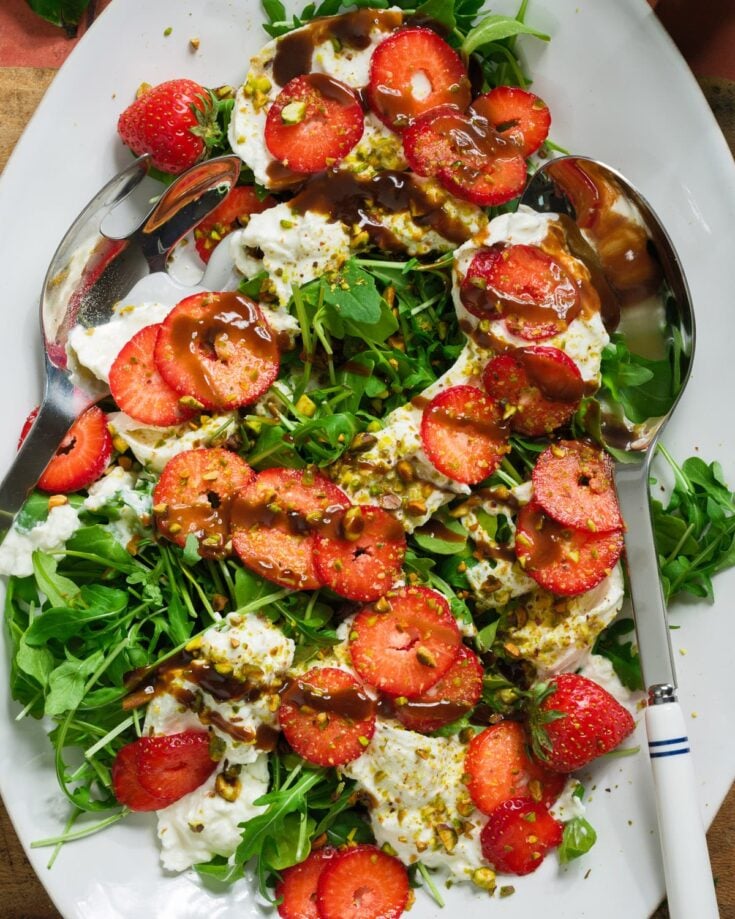
Strawberry Arugula Salad
This strawberry arugula salad is a stunning 10-minute easy side dish! Ripe berries with crunchy pistachios, creamy cheese, and a tangy balsamic vinaigrette taste like summer in a bowl.

Simple Citrus Salad
Here’s a refreshingly simple salad recipe that’s just begging to jump on your table: citrus salad! It stars all the beautiful, vibrant citrus: tangy grapefruit, navel oranges, and sweet blood oranges. They’re drizzled with a zingy dressing, then topped crushed pistachios and fresh mint.
Bean Salad Recipes
These lentil and bean salad recipes feature protein-packed legumes, which make them filling and great as side dishes or for lunches.

Lentil Salad
This lentil salad recipe has flavor that pops with tangy and savory notes: tender lentils coated in zippy white wine vinegar Dijon dressing, with crunchy cucumber and salty feta. It stays flavorful in the fridge for days, making leftovers even better.

Three Bean Salad
Here’s a fresh spin on that classic three bean salad! This American classic has been gracing tables for generations, and everyone has their own take on it. Here’s our spin with a little less sugar and more freshness.

Black Bean and Corn Salad
This black bean and corn salad comes together in no time, no chopping required! It’s a quick way to get fresh food on the table.
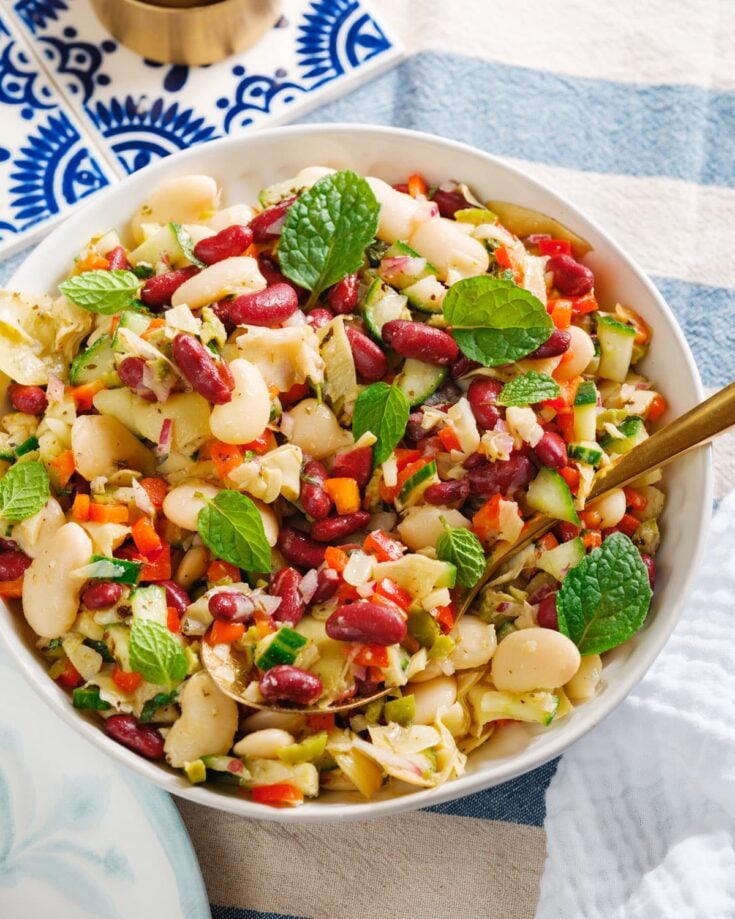
Dense Bean Salad
This Mediterranean-inspired dense bean salad recipe is packed with beans, artichokes, and olives in an herby vinaigrette. It’s great for meal prep and stores all week for healthy lunches or as a side dish!

Easy White Bean Salad
This white bean salad is so simple to put together. It’s bursting with Mediterranean flavor from simple ingredients: bell pepper brings a crunch, parsley an herbaceous bite, and red wine vinegar brings a zing of acidity.
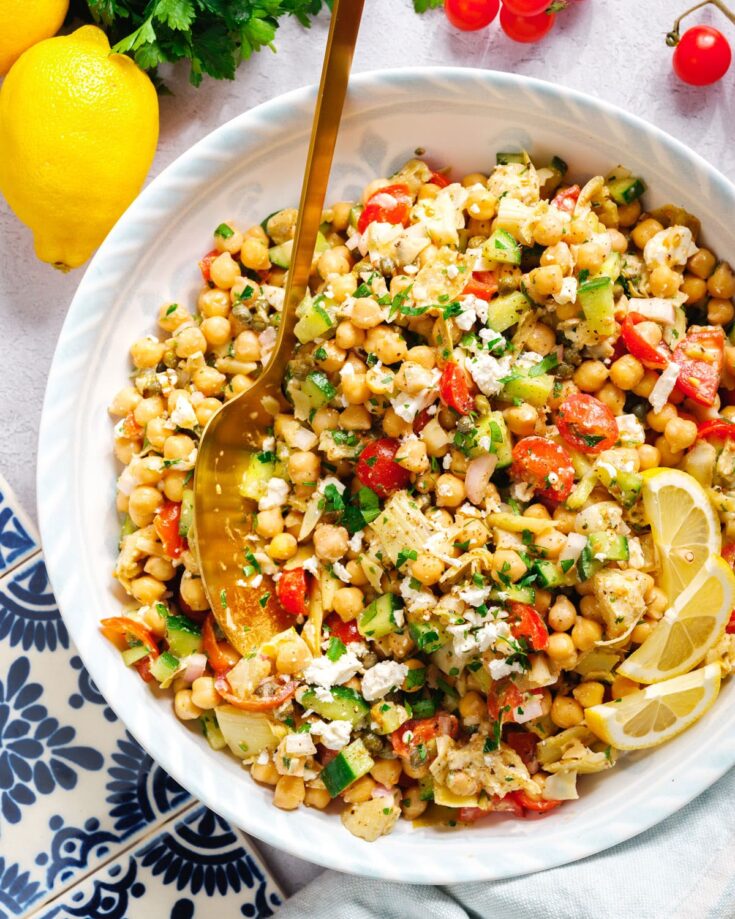
Mediterranean Chickpea Salad
This Mediterranean chickpea salad is a no-cook recipe ready in minutes, packed with crunchy veggies, feta, and a bright lemon dressing! It’s a satisfying plant-based lunch for meal prep or protein-packed side dish.
Grain Salad Recipes
These grain salad recipes feature whole grains at the center, like quinoa, barley, farro, and rice. They make for hearty main dishes and great lunch salads.

Quinoa Salad
Here’s a fresh, delicious and ultra versatile salad recipe: this deli-style quinoa salad! This recipe is delightfully refreshing, a jumble of crunchy, colorful veggies, fluffy quinoa grains, and a zingy Dijon mustard vinaigrette.

Farro Salad
Need a hearty side salad or a fun lunch salad? Here’s a recipe that works as both: this farro salad! This one is our ultimate, pairing the whole grain with juicy tomatoes, earthy mushrooms, feathery arugula, savory pops of cheese, and a zingy vinaigrette.

Couscous Salad
Couscous is not a grain: it's actually pasta! But due to its size, it's more like a grain salad in vibe than a pasta salad. This colorful couscous salad recipe tastes irresistibly fresh with herbs, garlic, and lemon! It’s ideal as a side dish, lunches, picnics or potlucks.

Barley Salad with Lemon
This barley salad is irresistibly fresh and tasty! Barley might sound like an unexpected ingredient for a salad, but this whole grain is ideal. Its chewy texture and nutty flavor are the perfect contrast to crunchy veggies, garlic, herbs, and lemon olive oil dressing.

Wild Rice Salad
This wild rice salad recipe is simple and bursting with flavor, with crunchy veggies, pecans, cranberries, a zingy dressing, and feta cheese!
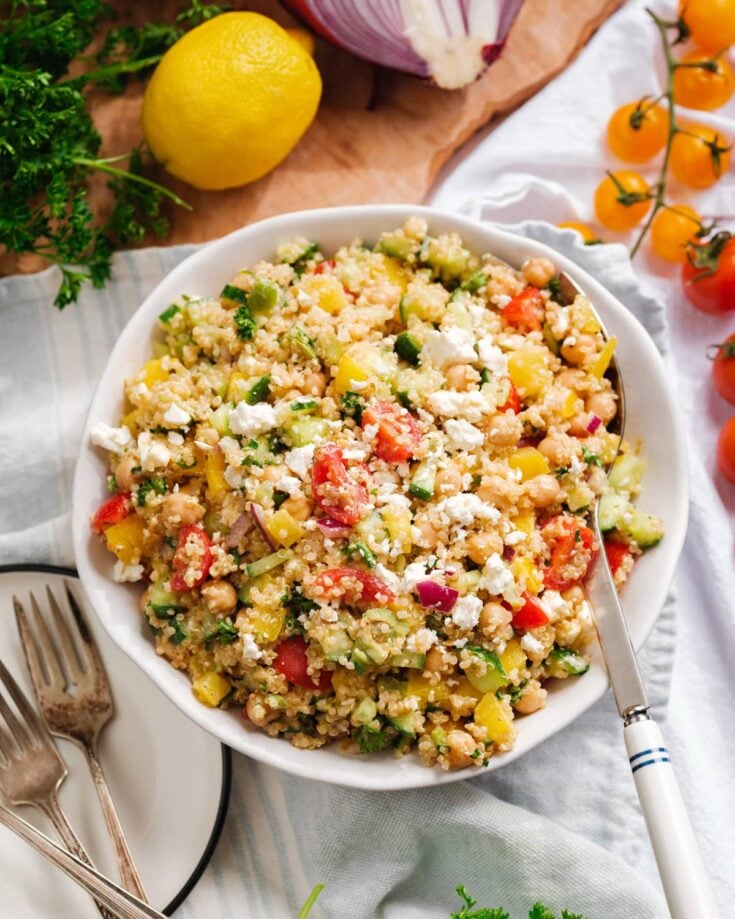
Mediterranean Quinoa Salad
This Mediterranean quinoa salad is loaded with crisp vegetables, salty feta, and a bright lemon-Dijon dressing! It tastes better the longer it sits: perfect as a meal prep lunch or easy side dish.
Pasta Salad Recipes
These pasta salad recipes star chewy pasta as the main event, like spirals, bowties, tortellini or orzo. Or, see all my best cold pasta salad recipes.

Classic Pasta Salad
This pasta salad recipe is bursting with flavor! It’s easy to mix up with veggies, herbs, and a tangy Italian dressing. This makes a big batch and is a family favorite!

Tortellini Salad
Here’s a pasta salad recipe that’s ultra versatile for picnics, barbecues, and an easy lunch idea! The tang of the artichoke, chewy pillowy pasta, zippy tomatoes, and peppery basil come together beautifully. It stores up to 4 days in the fridge, making it a perfect easy lunch.

Pesto Pasta Salad
This creamy pesto pasta salad recipe is easy and bursting with herby flavor from fresh pesto! It’s the perfect easy summer side dish.

Orzo Pasta Salad
This orzo pasta salad recipe is flavor packed and a great side dish or lunch! It’s loaded with fresh veggies, herbs, and salty feta cheese.

Caprese Pasta Salad
This easy Caprese pasta salad makes a crowd-pleasing summer side dish starring ripe cherry tomatoes, fresh basil, and mozzarella. It’s quick to make ahead, holds up well for cookouts, and disappears quickly!

Dill Pickle Pasta Salad
Get ready for a tangy twist on a classic summer dish! This dill pickle pasta salad recipe combines the crunch of pickles with creamy dressing and fresh herbs for a potluck-perfect side dish. Ideal for pickle lovers!

Greek Pasta Salad
Here’s my go-to when it comes to pasta salad recipes: this Greek Pasta Salad! It pairs chewy bowtie pasta, juicy cherry tomatoes, cool cucumber, salty olives and feta with generous handfuls of parsley, dill, and a Greek-style vinaigrette dressing.

Bow Tie Pasta Salad
This bow tie pasta salad recipe is simple and so tasty! Pair noodles with tomatoes, herbs, and feta cheese for a satisfying side dish.
Seasonal Salad Inspiration
Spring salad ideas
Spring brings tender lettuces, fresh peas, and the first strawberries. My spring salad recipes celebrate delicate flavors with light vinaigrettes and gentle seasonings.
Summer salad recipes
Summer is peak salad season, when tomatoes are at their best and fresh herbs are abundant. These summer salads are refreshing and perfect for hot weather produce.
Fall and winter salads
Don’t put away your salad bowls when the weather cools! My fall salad recipes and winter salads feature roasted vegetables, hearty grains, and warm spices.
The Best Homemade Salad Dressings
No salad collection is complete without great salad dressing recipes. I make all my own because they taste better and don’t contain preservatives.
My go-to balsamic vinaigrette works with almost any salad combination. For creamy options, I love my homemade ranch dressing and Caesar dressing. When I want something bright and herby, my Green Goddess dressing is ideal.
Another fan favorite dressing is my easy Italian dressing.
Pro tip: I always make dressing in small batches for the freshest flavor. Most homemade vinaigrettes will keep in the refrigerator for 1 to 2 weeks.
Meal Prep and Storage Tips
Many of these salad recipes are perfect for meal prep, but there are some tricks to keep them fresh.
Green salads don’t last well with dressing. I like to prepare all the components but keep the dressing separate until serving. Delicate greens are best prepared the day you plan to eat them.
For grain and bean salads, often they can be prepared in advance and even gain salad over time. For all types of salads, glass containers work best for storage because they don’t retain odors or stain like plastic can.
Frequently Asked Questions
There are many ways to add protein to your salad! Here are a few ideas:
Meat: Grilled chicken, steak, or sauteed shrimp.
Fish: Canned or baked salmon, canned or seared tuna, or flaky white fish.
Eggs: Hard-boiled eggs, scrambled eggs, or even a soft-boiled egg on top.
Beans and lentils: A great source of protein and fiber. Try chickpeas, black beans, or lentils.
Tofu or tempeh: Baked tofu, pan fried tofu or marinated tempeh adds a satisfying meaty texture to vegetarian salads.
Nuts and seeds: Almonds, walnuts, pecans, chia seeds, and hemp seeds all offer protein and healthy fats.
Here are some tips to prevent soggy salads:
Dressing on the side: Dress your salad right before eating to avoid wilting greens.
Dry your greens thoroughly: Wash and spin your greens dry before adding them to the salad bowl. If they are very wet, consider blotting them with a towel.
Use sturdy greens: Kale, romaine, and Brussels sprouts hold up better to dressings than delicate greens like spinach or baby arugula.
There’s a whole world beyond lettuce! Here are some unique salad base ideas:
Arugula: Peppery and slightly bitter, perfect for strong-flavored dressings.
Kale: Nutrient-dense and can be massaged to soften.
Quinoa: A complete protein source that adds a nutty flavor.
Roasted vegetables: Roasted sweet potatoes, broccoli, or Brussels sprouts add warmth and texture.
Shredded cabbage or broccoli slaw: Offers a crunchy base.
Homemade dressings are easy and healthy! The recipes above feature recipes for classic vinaigrettes and creamy dressings.
Absolutely! By incorporating protein and whole grains, salads can be a satisfying and well-balanced meal.
It’s best to store salad components separately. Keep greens in an airtight container in the refrigerator for up to 3 days. Store cooked proteins, dressings, and croutons in separate containers.
from A Couple Cooks https://ift.tt/B4htM2e



0 Comments